


Spiritual sensitivity: do mediums and spiritual practitioners suffer from sleepless nights or anxiety?
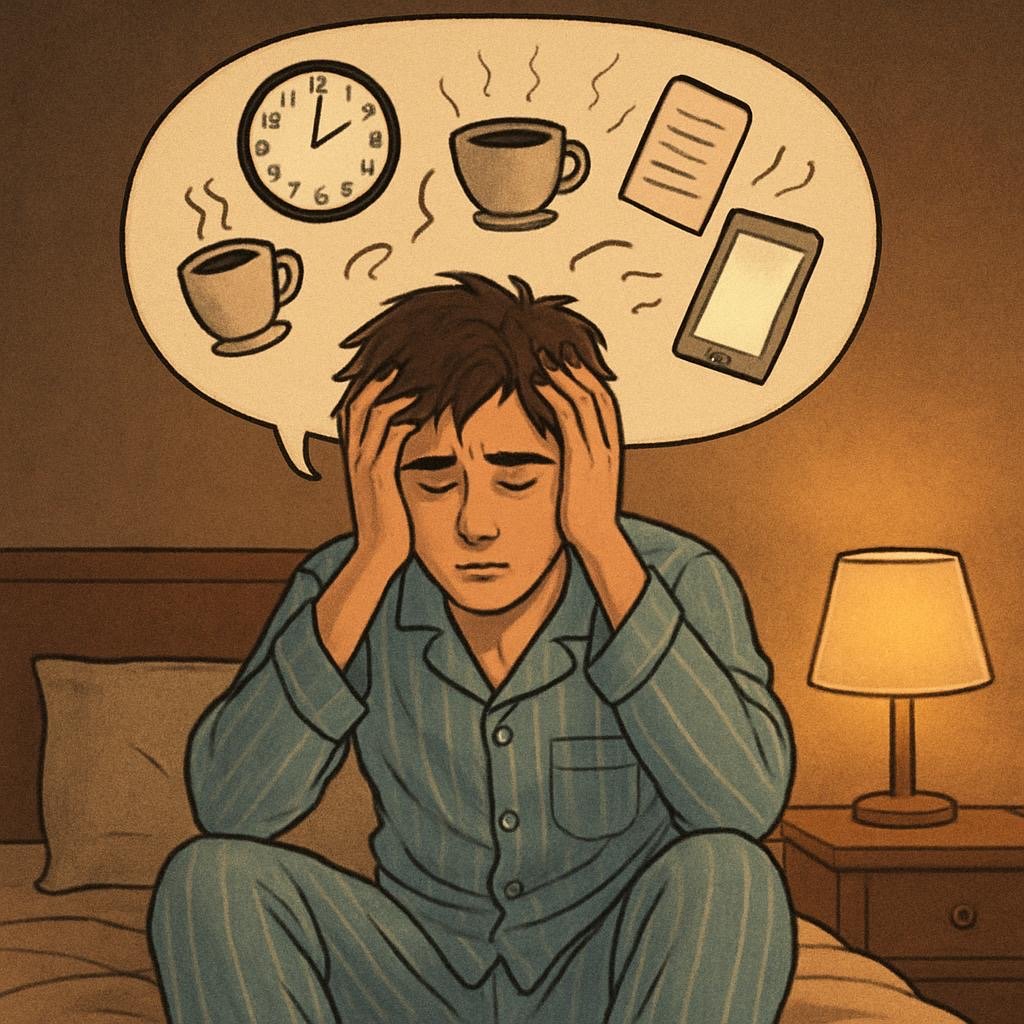
This is a very strong topic that I would like to cover. Spiritual sensitivity and the direction I want to aim for is insomnia and sleepless nights. Why do so many psychic mediums suffer from insomnia and sleepless nights?
I will give you my verdict and my own experiences of my sleep problems, as well as those of other mediums I know.
Why does spiritual sensitivity cause a lack of sleep?
Overall, working as a psychic medium, healer, tarot card reader, and so on can be full on. We are dealing with people’s energies and also people’s emotions. Furthermore, all the time we want to be our very best when we’re working.
Along with that comes the fact that we work in the mind. Shutting down your mind after you work and having strong boundaries is absolutely vital. Many people that I know who work in this field struggle with that.
Moreover, working with your spiritual sensitivity can put you under pressure. All the time we want to give every client and every session the best possible experience. Consequently, this can cause anxiety and restless sleep.
For myself, after I have given three readings in a day or finished at a very busy event, I struggle to switch off. Even though I am exhausted, I can’t switch myself off for a good three or four hours sometimes. However, I have learned how to do this more easily over time.
The pressure spiritual sensitivity, mediumship, and light work can cause
Psychic work, mediumship, healing, and light work can place a quiet but significant pressure on the nervous system, particularly when practitioners feel a strong sense of responsibility to help others.
Wanting to offer meaningful support, hold space well, or “get it right” can create internal pressure, even when the work is approached with care and integrity. Many practitioners experience nerves before seeing clients or find their awareness remains heightened after sessions, making it difficult to fully unwind.
When this pressure is carried into the evening, the body may feel tired while the mind stays alert, contributing to insomnia or restless nights. Learning not to place unrealistic expectations on yourself — and allowing space for self-compassion — is essential, not only for sleep but for the long-term wellbeing and clarity of your work.
Hence, I try to live by a motto that I have heard before: Spirit will never let you down. Therefore, with every reading I give, I allow whoever wants to come forward to come forward. Trust is everything.

Spare time for spiritual sensitivity
Like any job, you need to have time to yourself. Absolutely, this is important when you’re working with your spiritual sensitivity, because your mind is always working and sometimes racing overtime. You can become overwhelmed by the energy that builds from either the spirit world or the healing realm.
Importantly, your spare time is absolutely vital. Sometimes even I struggle to cut off my working mind from my non-working mind. Because of that, I struggle to sleep, and sleep is absolutely vital when you are working with spirit.
Remember that boundaries are absolutely essential. You are in control and you are in charge, and when you are not working, you have to be very assertive. It is hard sometimes being an empath to do so. But it is also fundamental for your health and wellbeing.
Having spare time to do whatever you want to do is important. Not only to rest, but also to enjoy your own hobbies. You have to have a life outside of your work and your spiritual sensitivity.
Grounding your spiritual sensitivity
On the whole, we talk about grounding all the time. But what does it actually mean? I will explain:
- Coming back into your body – this simply means noticing that you are here, in your body: your breath, your feet on the floor, or the chair supporting you.
- Allowing energy to settle – grounding helps awareness calm and organise itself naturally. Rather than feeling scattered or overstimulated.
- Being in the present moment – this brings attention out of busy thoughts and into what is happening right now.
- Feeling steadier and calmer – grounding supports emotional balance and helps you feel more settled. Especially if you are sensitive or intuitive.
So, on the whole, grounding in a spiritual sense means coming back into the body and the present moment. It is about feeling supported, steady, and connected to what is happening now, rather than being caught up in busy thoughts or heightened awareness.
Grounding helps the nervous system settle, allowing emotions, thoughts, and intuition to slow down naturally. Instead of blocking sensitivity or spiritual awareness, it creates balance — recognising that clear insight and wellbeing are supported by rest, calm, and care for the physical self.

Shutting down for bed after a stressful day
For those who are spiritually sensitive, switching off at the end of a stressful day does not always come easily. After hours of focusing, listening, and holding space for others, the mind and nervous system can remain alert long after the body is ready to rest.
Shutting down for bed is less about forcing sleep and more about gently signalling that the day is complete. Creating a quiet transition — through slowing the breath, reducing stimulation. Intentionally stepping out of a working mindset — allows awareness to settle.
Equally, when sensitivity is met with calm structure and self-kindness, rest becomes a natural continuation of the work rather than a struggle against it. One thing I love to do is listen to a five- or ten-minute meditation. Overall, I find that this shuts me down much more quickly and allows me to fall asleep.
Boundaries particularly in the evening or at night
Evening boundaries play an important role in supporting rest and easing anxiety. After a day of taking in information, emotions, and responsibility, the nervous system can remain on high alert, making it difficult to unwind at night.
Creating gentle boundaries in the evening — such as stepping away from work, limiting stimulation, and allowing the mind to close the day — helps signal that it is safe to rest. Rather than shutting sensitivity down, these boundaries give it a place to settle, reducing anxious thoughts and supporting a calmer transition into sleep.
When boundaries are consistent and kind, sensitivity becomes something that feels held and supported, rather than overwhelming and placing you in a constant state of anxiety and unease.
Altogether, remember that you can’t be open all the time. A bit like a shop really — when it’s closed, it’s closed, and so are you.